
 Facebook
 X
X LinkedIn
 Forward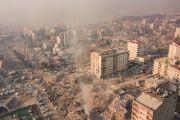
Module 1. Disasters and their Effects on the Population
This course offers a comprehensive and in-depth exploration of essential clinical topics in pediatric global health, with a particular emphasis on the unique challenges posed by natural and human-caused disasters. Participants will engage with a broad range of critical subjects, including pediatric trauma care, disaster triage protocols, the epidemiology and management of infectious diseases in crisis settings, evidence-based approaches to diarrhea and dehydration treatment, toxicological emergencies, and other life-threatening conditions affecting children in humanitarian and disaster-response contexts. Through a combination of expert-led instruction, case-based discussions, and scenario-based learning, this course equips healthcare professionals with the knowledge and skills necessary to optimize pediatric care in emergency situations worldwide.
Complete the learning activities on PPN Learn, then return here to claim your PPN Contact Hour(s) / CE Credit(s) and Certificate of Completion.
Target Audience
- Nurses
- Nurse Practitioners
- Physicians
- Physician Assistants
- EMTs
Learning Objectives
- Describe phases of disaster management.
- Recognize events that can lead to disasters and humanitarian emergencies.
- Recognize the available resources, strengths, and limitations of organizations that may respond to a humanitarian emergency.
Course summary
- 1.00 ABP Lifelong Learning and Self-AssessmentSuccessful completion of this CME activity, which includes participation in the activity and individual assessment of and feedback to the learner, enables the learner to earn up to 1.00 MOC points in the American Board of Pediatrics' (ABP) Maintenance of Certification (MOC) program. It is the CME activity provider's responsibility to submit learner completion information to ACCME for the purpose of granting ABP MOC credit.
- 1.00 AMA PRA Category 1 Credit™Children's National Hospital designates this Enduring activity for a maximum of 1.00 AMA PRA Category 1 Credit™. Physicians should claim only the credit commensurate with the extent of their participation in the activity.
- 1.00 ANCCChildren's National Hospital will provide 1.00 Nursing Contact Hours for this Enduring activity.
- 1.00 ParticipationSuccessful completion of this continuing education activity.
Joint Accreditation Statement
In support of improving patient care, Children's National Hospital is jointly accredited by the Accreditation Council for Continuing Medical Education (ACCME), the Accreditation Council for Pharmacy Education (ACPE), and the American Nurses Credentialing Center (ANCC), to provide continuing education for the healthcare team. Children’s National Hospital Accreditation Provider# 4008362.
Credit Designation Statements
Physicians: Children’s National Hospital designates this enduring activity for a maximum of 1.0 AMA PRA Category 1 CreditTM for physicians. Physicians should claim only the credit commensurate with the extent of their participation in the activity.
Nurses: Children’s National Hospital designates this activity for a maximum of 1.0 enduring ANCC contact hour.
ABP MOC Part 2: Successful completion of this CME activity, which includes participation in the evaluation component, enables the learner to earn 1.0 MOC point in the American Board of Pediatrics (ABP) Maintenance of Certification (MOC) program. It is the CME activity provider’s responsibility to submit learner completion information to ACCME for the purpose of granting ABP MOC credit.
PPN: The Pediatric Pandemic Network designates this activity for a maximum of 1.0 PPN contact hour.

Available Credit
- 1.00 ABP Lifelong Learning and Self-AssessmentSuccessful completion of this CME activity, which includes participation in the activity and individual assessment of and feedback to the learner, enables the learner to earn up to 1.00 MOC points in the American Board of Pediatrics' (ABP) Maintenance of Certification (MOC) program. It is the CME activity provider's responsibility to submit learner completion information to ACCME for the purpose of granting ABP MOC credit.
- 1.00 AMA PRA Category 1 Credit™Children's National Hospital designates this Enduring activity for a maximum of 1.00 AMA PRA Category 1 Credit™. Physicians should claim only the credit commensurate with the extent of their participation in the activity.
- 1.00 ANCCChildren's National Hospital will provide 1.00 Nursing Contact Hours for this Enduring activity.
- 1.00 ParticipationSuccessful completion of this continuing education activity.